Why We're Building for a Bharat That Doesn't Wait for Permission
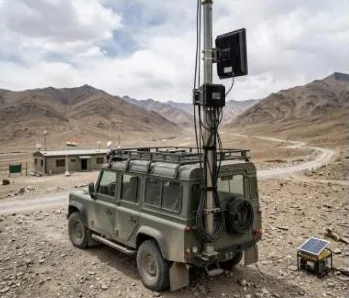
Two decades of building in terrain where the map runs out before the network does. Here's what that taught me about infrastructure that can't afford to fail.
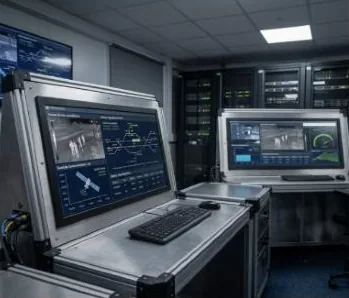
That experience shapes how I think about where we're headed next. Every enterprise racing toward AI adoption is asking the same question my team has asked since day one on a railway signalling project or a border security deployment: what happens when the system is live, load-bearing, and nobody's watching what it's learned to do differently?
That question is why MASL World exists in its current form, not as a vendor selling connectivity or infrastructure, but as a partner who stays accountable for what we build long after go-live.
Investors aren't just backing a balance sheet; they're backing a philosophy.
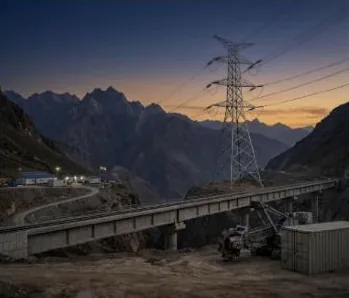
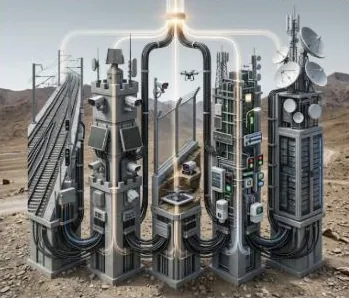
As we move forward, this doesn't change. If anything, it matters more. Investors aren't just backing a balance sheet; they're backing a philosophy: that infrastructure serving India's railways, defence, and public safety has to be engineered for the terrain it actually operates in, not the terrain a slide deck assumes. That's the Bharat we're building for.